
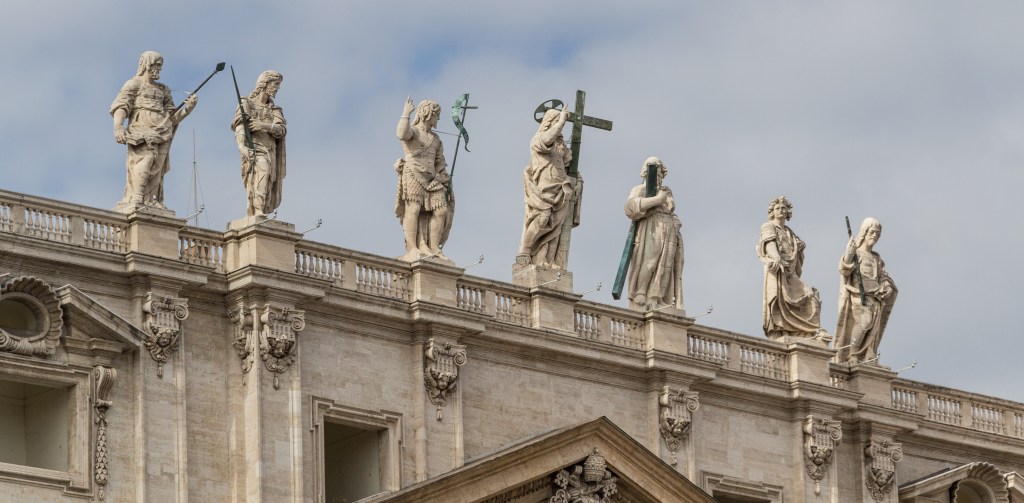
I composed an examen for students some years ago. The purpose was to identify and clarify enduring pillars of classical, Catholic Education worthy of examining our cultivation of wisdom & virtue. I find the examen works well as a teacher given the goal of being life-long learners. I hope others may also find value in these principles.
Which of the principles resonates with you the most?
Which of the principles do you find the most challenging?
How has the pursuit of the particular virtues and beatitudes shaped your experience in the classroom?
Do you agree with the principles? Would you add any or remove any?
I’d love to know what you think in the comments.
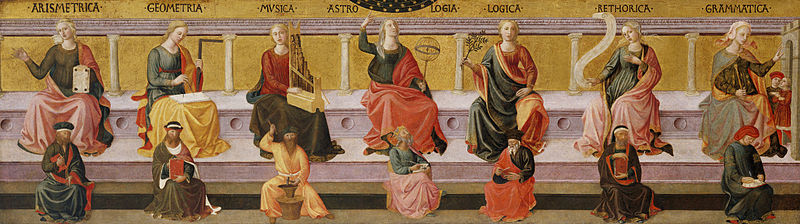
Principles of Catholic, Classical Education: An Examen
from a Lenten Reflection by Kyle E. Albarado
During Lent, the Church, the bride of Christ, calls us to humility, to greatness of soul. This is a call to increase our efforts of prayer, fasting, and almsgiving so that we may deepen our relationship with Christ, the bridegroom of the Church. Humility as greatness of soul is called magnanimity, the virtue that enables us to recognize the greatness of our call to holiness, to be saints, and rendering fertile the grounds for Marian docility making of both teacher and pupil. Magnanimity combats the smallness of mind that results from pride. This form of pride is called pusillanimity. Five essential principles of Catholic, classical education are a great way to pursue humble magnanimity and combat prideful pusillanimity. These five principles are worthy of reflection for us individually as we enter into Lent and as a community united together by our shared values and purpose.These principles help to connect our vocation as teachers and students alike to both virtue and beatitude.
- Multum non multa (much not many): This principle is a call to simplicity through the virtue of prudence. Anxiety is what results when we do not safeguard our time through prudent decisions. Anxiety is the enemy of peace. Addiction to anxiety (perpetual stress) as the primary way we “get things done” will result in a hellish experience of life. The vice of acedia (also known as sloth) will result from laziness, but it will also manifest in pervasive ways through being overly busy and unreflective. The lack of balance in both extremes sets us up for misery. Prudence, the virtue that disposes us to see and pursue the good before us, makes us simple, poor in spirit, and allows us to do much with our time as opposed to wasting time with the frivolous pursuit of an endless number of activities. Make no mistake, overextending and over committing ourselves is far from heroic, it is prideful.
The vocation of a student is exercised with the principle of multum non multa through making good, prayerful decisions about how you use your time inside and outside the classroom.
- Lex orandi lex credendi (the law of worship is the law of belief): This principle is a call to justice through the the virtue of religion, to enliven the moral virtues with faith, hope, and love. Religion is what binds belief and practice. A lack of integrity results from a lack of true religion (there is a disconnect between what we say and do). True religion, then, is what allows us to live with integrity. When our worship reflects and fosters our deepest beliefs, we are able to be in right relationship to others and the world around us. Justice is what enables us to live out our obligations to those around us. Obligation is NOT a restriction or impediment! It is the means of relationship, what connects us to one another. Right relationship produces freedom. Not being in right relationship is what makes us slaves and addicts, abusing the people and things around us. The virtue of religion is justice applied to God. Worship is how we give to God what we owe Him. The result of connecting worship and belief is the freedom to live as children destined for the Kingdom.
The vocation of a student is exercised with the principle of lex orandi lex credendi through sanctifying study: to engage with teachers, peers, and assignments prayerfully and with hope by recognizing the vocation of a student as a calling from God.
- Festine lente (make haste slowly): This principle is a call to fortitude, the courage to be excellent in small things. Classical education is risky business. Your teachers are constantly asking you to think for yourself instead of spoon feeding you answers (afterall, you’re not babies and we are not mother birds). Risk requires courage. The smaller the risk, the smaller the reward. Magnanimity is what gives us the courage, the fortitude, to take great risks by pursuing the rewards of eternal life through doing hard things because they are good (as opposed to easy things because we are weak!). Risk requires trust. Obedience, in the proper sense, is what fosters trust. Obedience obliges both teacher and student to foster trust through mutually pursuing greatness (which again, is risky business). It’s a two-way street. Making haste slowly allows the opportunity for proper obedience and proper authority: to listen slowly, attentively, and carefully then to act with earnestness, integrity, and love. We, as teachers, pray often for your holy exercise of obedience. Don’t forget to pray often for our holy exercise of authority.
The vocation of a student is exercised with the principle of festine lente through attentive, quick, and joyful obedience. Obedience not as oppression but as the right use of freedom, the ability to choose the good.
- Paidea (a formative education): This principle is a call to temperance by moderating our attraction to shortcuts and easy solutions so as to deepen our formation in veritas, fides, and virtus. Paidea is a Greek word that refers to an education that forms faithful and dynamic citizens. Education is about more than future opportunity, it is about a formation that will allow you to inherit a great destiny (on both sides of eternity: to be faithful citizens of the Earth through meekness and to be faithful citizens of the Kingdom of Heaven through poverty of spirit). There is a tension in our approach to education between preparing for college and preparing for eternity (the tension to be classical and college-preparatory). Embrace that tension! Tension produces harmony (at least in stringed instruments!). It is intimately connected to your call to be magnanimous in faith, to be in the world but not of it. The quote from St. Augustine comes to mind here. “Because you have made us for yourself, O Lord, our hearts are restless until they rest in You.” The tension I’m talking about here is the restless heart that will bring you to constant conversion. Without tension, there is no growth. Anyone who exercises knows that. Embrace the tension by pursuing a formative education: an education that gives you the tools of learning to be successful in your career and a formation that allows you to be happy and holy in that career.
The vocation of a student is exercised with the principle of Paidea by seeing your time as a student as preparation for eternity. What you choose to gain here will benefit you forever. What you choose to neglect will be a deficit that follows you constantly. The key word here is choice. Are your choices and attitudes contributing to joy or misery?
- The Transcendentals (what nourishes and fosters greatness of soul): The transcendentals are fundamental aspects of reality that most reflect God as immanent cause of all that exists. They are aspects of creation that most connect us to the Creator.
Truth enlightens and opens us by conforming our intellects to the highest and deepest aspects of Reality. Truth is the mind’s conformity to reality. Insanity is the result of a mind that is not in conformity to reality. Willful insanity is a recipe for misery. Disinterest in truth, over time, becomes willful insanity. Superficially and half-heartedly engaging in your assignments is willful disinterest in truth. This is pusillanimous. Asking, “When are we ever going to use this?” is also pusillanimous and, equally bad, it’s utilitarian (utilitarianism is pusillanimity applied to ethics, utilitarianism is a system of ethics responsible for the greatest atrocities ever committed, but I digress). An example: If everyone studying mathematics were all pusillanimously utilitarian pragmatists, no one would have discovered the ideas that made your precious little smart phones possible! Truth, however, is not good because of how it can be used, just as you are not good because of how you can be used. Your dignity and value as a person comes from being in the image of God. Truth’s dignity and value comes from the fact that it is God, the second Person of the Holy Trinity, Christ, the eternal Logos. Next time you are tempted to frustration because of pusillanimous pragmatism, question whether or not you want to adopt a perspective and habit of mind that reflects the system of ethics that is responsible for the greatest crimes against humanity. Instead, be magnanimous in your studies! Gain a perspective that constantly seeks the unity of truth in all things. Have the courage to seek sanity. Truth nourishes perspective and directs it heavenward.
Goodness strengthens and nourishes by conforming our will to that which best allows us to be in right relationship to Reality: to love God above all and neighbor as self. Something is good in as much as it fulfills a nature. We are rational animals, it is in our nature to learn and pursue truth. Therefore, education is a supreme good because it nourishes and fulfills an aspect of our highest nature. Our desires are meant to direct us to pursue good things. However, if we are honest with ourselves, we don’t always have desires that fulfill our nature. We don’t always desire good things. There is a need to allow our desires to be converted by truth so as to more freely pursue the good through our relationship with Reality. Goodness nourishes relationship and directs it heavenward.
Beauty converts the whole person by drawing us out of ourselves and directing our attention more firmly to Reality as known (truth), Reality as desired (goodness), and Reality as experienced (unity). Beauty is the remedy for boredom, and we are NOT made for boredom. Beauty is both objective and subjective, it is relative to our desires but objective in its power to direct us beyond them to what is most real. As our desires accord more with goodness, we are better able to experience beauty. A thing is truly beautiful in as much as it wounds us to desire the one thing needed: God. Beauty nourishes desire and directs it heavenward. Beauty converts souls.
Unity is the purpose of our existence. The experience of unity is the ultimate source of anything that can be said to truly make us happy. Happiness is the one thing we all desire for its own sake. Why we do the things we do and why we make the choices we make can all be seen to reflect an ordered or disordered vision of happiness. Either way, they are all an attempt to pursue happiness. Unity orders our very being to happiness as beatitude, as joy in the fullest and deepest sense, so that what we pursue sanctifies and perfects us. The experience of unity is, essentially, relationship with Christ, the eternal Logos: the way, the truth, and the life. Unity nourishes beatitude, the joy of charity and directs the whole person heavenward.
The vocation of a student is exercised with the principle of transcendentals by desiring what nourishes over and above what merely satisfies. The practice of this principle is what converts the ordinary events of the everyday to the extraordinary experience of a life radically transformed by Christ who makes all things new.
This radical transformation is what the Church calls us to during Lent. It is also what binds us together as a community of classical, Catholic educators. What orders and structures our community is the desire to provide a peaceful, academic environment that fosters greatness of soul, magnanimity, by allowing Christ to be the one thing needed in all our endeavors (to be more like Mary than Martha). As students, you are vital members of this community, and have the power to strengthen the unity of our community or tear it apart. Your role, like ours, is to pursue your highest call, to be a saint. Let us strive together to strengthen the bonds that unite us, through Christ, by practicing the principles of multum non multa (doing simple things well), lex orandi lex credendi (sanctifying our study), festine lente (exercising holy obedience), Paidea (pursuing formation), and the transcendentals (nourishing our souls on what will truly make us great: being magnanimous members of the Mystical Body of Christ).
Examen: Magnanimous Education
Five Principles of Catholic, Classical Education
Magnanimity: greatness of soul, a form of humility where we recognize the greatness of our call to be holy. Magnanimity is the proper response to the call of our baptism to be saints and combats the small minded cowardice of pride, pusillanimity. Consider these principles in your examen each day during Afternoon Prayer.
| Principle | Virtues | Beatitudes (Mt 5:1-12) | Application to the Vocation of Being a Student |
| Multum non Multa: Much not ManyDoing simple things well. | Prudence: the moral virtue that disposes us to see and pursue the good before us. (CCC 1806) | Poverty of Spirit:Blessed are the poor in spirit, for theirs is the kingdom of heaven. | Making good, prayerful decisions about how you use your time inside and outside the classroom. |
| Lex Orandi, Lex Credendi: The Law of Worship is the Law of BeliefSanctifying our study. | Justice: the moral virtue that disposes us to give what is due to God and neighbor. Virtue of Religion: justice applied to God. (CCC 1807) | Hunger and Thirst for Righteousness: Blessed are those who hunger and thirst for righteousness, for they will be satisfied. | Sanctifying study: to engage with teachers, peers, and assignments prayerfully and with hope by recognizing the vocation of a student as a calling from God. |
| Festine Lente: Make Haste SlowlyExercising holy obedience. | Fortitude: the moral virtue that ensures firmness in difficulties and constancy in the pursuit of the good.(CCC 1808) | Mourning: Blessed are they who mourn, for they will be comforted. Mercy: Blessed are the merciful, for they shall be shown mercy | Attentive, quick, and joyful obedience. Obedience not as oppression but as the right use of freedom, the ability to choose the good. |
| Paidea: Formative EducationPursuing education that forms the whole person. | Temperance: the moral virtue that moderates the attraction of pleasures and provides balance in the use of created goods. (CCC 1809) | Meekness: Blessed are the meek, for they will inherit the land. Peacemaker: Blessed are the peacemakers, for they will be called children of God. | Seeing your time as a student as preparation for eternity. |
| Transcendentals: What Nourishes and Fosters Greatness of SoulSeeking conversion by pursuing truth (Reality as known), goodness (Reality as desired), beauty (Reality as loved), and unity (Reality as experienced). | The Theological Virtues: inform and give life to the moral virtues. They are faith, hope, and love.(CCC 1812-1832) | Purity: Blessed are the clean of heart, for they will see God. Persecution: Blessed are you when they insult you and persecute you and utter every kind of evil against you [falsely] because of me. Rejoice and be glad, for your reward will be great in heaven. | Desiring what nourishes over and above what merely satisfies. The practice of this principle is what converts the ordinary events of the everyday to the extraordinary experience of a life radically transformed by Christ who makes all things new. |
 kyle E. Albarado
,_Petersdom_--_2013_--_3902.jpg)
Leave a comment